The Evolution of Property Maintenance: Historical Case Studies from Chicago May 16, 2026
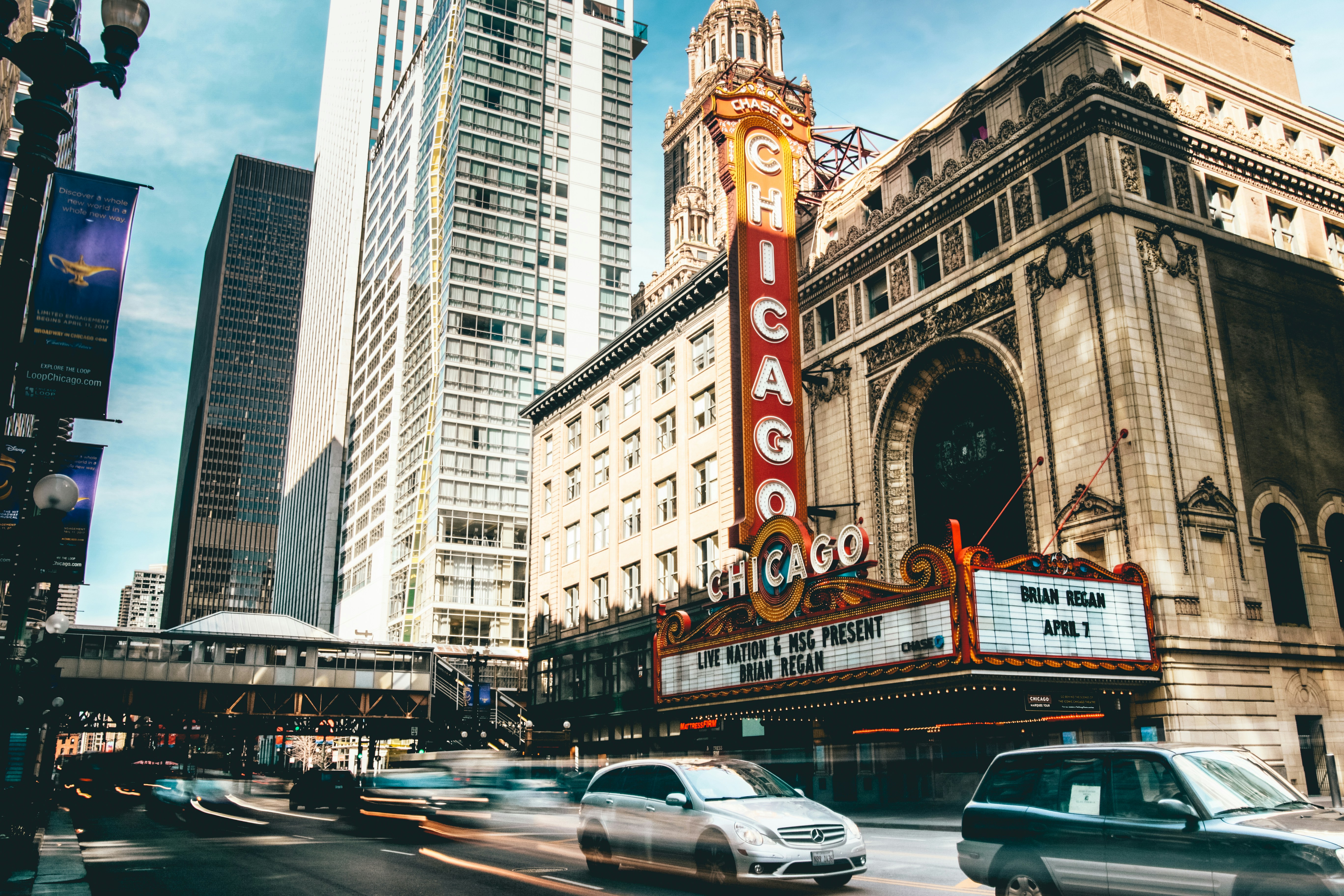
As Chicago grew throughout the late 19th and early 20th centuries, property maintenance primarily involved basic tasks like cleaning common areas and handling necessary repairs. During this time, many historic buildings that define Chicago's skyline were constructed, demanding rigorous maintenance regimens to preserve their structural integrity. Prominent buildings like the Rookery and the Chicago Cultural Center required unique attention, given their architectural complexity. Early maintenance efforts in such structures were labor-intensive, relying largely on manpower and traditional methods to ensure their functionality and aesthetic appeal.
The mid-20th century marked a shift as technology began to influence property maintenance. With the advent of more sophisticated building systems, such as HVAC and electrical, the role of a property manager became increasingly complex. Technological advancements called for a deeper technical understanding and expertise in managing these new systems effectively. This era saw the birth of specialized roles within property maintenance, focusing on mechanical systems, which ensured that buildings could operate efficiently and safely year-round.
Case studies from this period highlight significant changes; for example, the post-World War II era saw a surge in construction innovation, spearheaded by advancements in materials and construction techniques. During these years, property maintenance adapted to incorporate new building materials such as steel and glass, which required different maintenance regimens compared to traditional wood and brick structures.
As environmental concerns gained traction towards the end of the 20th century, sustainability began to play a crucial role in property maintenance. Chicago, with its commitment to green living, became a pioneer in integrating sustainable practices within property maintenance. Historic buildings were retrofitted to improve energy efficiency, incorporating energy-saving lighting systems, smart thermostats, and solar panels. This shift not only reduced operational costs for property owners but also helped in preserving the environment, reflecting a growing community expectation for sustainable real estate practices.
A modern case study that exemplifies this evolution is the ongoing maintenance of the Willis Tower, formerly known as the Sears Tower. Completed in 1973, it remains one of the tallest buildings in the United States. Property managers here face the dual challenge of maintaining a historic landmark while updating it with contemporary technological advancements. Recent renovations included energy-saving upgrades that earned it Leadership in Energy and Environmental Design (LEED) certification, placing it at the forefront of sustainable skyscraper management.
Today, property maintenance in Chicago is less about adhering to traditional checklists and more about integrating technology and sustainability. Companies like CSI of Chicago play a pivotal role in this ever-evolving industry, ensuring properties are not only well-maintained but also future-ready. They combine decades of experience with cutting-edge technology to provide comprehensive property care solutions.
In conclusion, the evolution of property maintenance in Chicago reflects broader trends in technology, sustainability, and urban development. Through examining historical case studies, we see a city learning and adapting to new challenges, always with an eye on preserving the grandeur of its architectural heritage. For property owners and contractors alike, these lessons stress the importance of innovation, adaptability, and a commitment to preserving Chicago’s unique urban fabric for future generations.
/filters:no_upscale()/filters:format(webp)/media/dbdb7bb4-e7f1-48f5-9672-4f80d3d1e107.png)
/filters:no_upscale()/filters:format(webp)/media/67dd2ab2-3ee6-4952-8f23-41b94ae1b834.jpeg)